The Unwatched Hours: Setting Up Ethical Night Cameras in UK Primate Houses
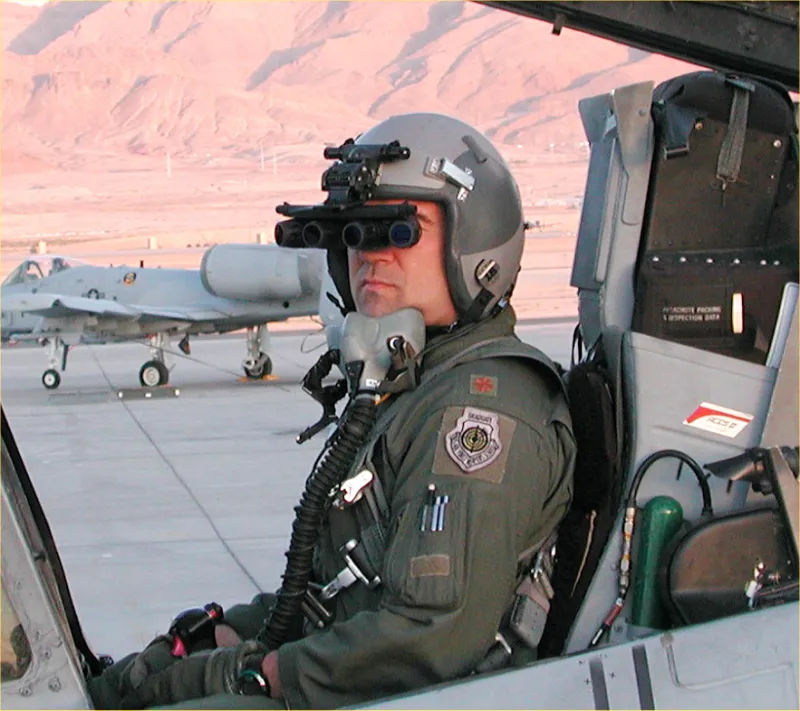
Photo: Unspecified, Public domain, via Wikimedia Commons
Most primate welfare conversations happen in daylight, usually with a clipboard, a coffee and a keeper who has already done the morning rounds. That makes sense: daytime is when feeding, cleaning, training and public visits occur. But it leaves a rather large blind spot. Primates spend a lot of their lives asleep, resting or moving quietly in the dark, and the quality of that time matters. In 2026, night-vision and thermal cameras are cheap enough and robust enough to be genuinely useful in UK collections, from large zoos to small sanctuaries. The question is no longer whether we can watch after dark. It is whether we can do it without turning welfare monitoring into surveillance for its own sake.
Why the night shift gets overlooked
Part of the problem is staffing. A primate house may be busy from 8am to 5pm and quiet afterwards. Overnight checks tend to focus on security, heating failures and emergencies, not on subtle changes in social behaviour. Research has its own daylight bias too: many behavioural studies are designed around observer availability, so the sampling schedule mirrors the working day. The result is a strange imbalance. We may know a group's afternoon activity budget in detail while knowing very little about whether individuals are settling, waking repeatedly or feeding at unusual times.
That gap matters because welfare is a 24-hour experience. Sleep disruption, night-time aggression, competition over sleeping sites and cold stress do not clock off when the staff car park empties. For species with complex social lives, the night can also reveal things the day hides: who huddles with whom, who gets displaced from the warmest spot, and whether a new arrival is genuinely integrating or simply waiting until the others are active again.
Cameras are not automatically neutral
A camera in an enclosure is not just a window. It is a piece of equipment with a position, a lens, a light source and a data trail. Ethical night monitoring starts with limiting disturbance. That means no visible spotlights, no white-light flashes and no kit that hums, clicks or glows enough to change behaviour. Infrared illumination at wavelengths that are less visible to the species concerned is generally preferable to visible light, though sensitivity varies. Thermal cameras avoid adding light altogether, but they are not magic: they show heat signatures, not facial expressions, and they can struggle with glass, dense foliage and reflections.
Placement should be planned before anything is switched on. High, angled views reduce the chance of animals interacting with cables. Housings need to be tamper-resistant and easy to clean. If the camera can see staff, visitors or neighbouring properties, there should be a clear data policy covering who watches what, how long footage is kept and how access is controlled. That sounds bureaucratic, but it is part of treating monitoring as a welfare tool rather than an open-ended security feed.
It also helps to agree a purpose in advance. Are you checking overnight settling, documenting a specific clinical concern, or collecting baseline data for a research question? 'We might see something interesting' is a poor reason to install kit. A written aim, a review date and a named person responsible for the data will keep the project honest.
What to look for after lights out
The most useful night records are usually simple and repeatable. Note the time an individual settles, the time they first become active, and any waking events that last more than a few seconds. Record social spacing at sleep sites: who is closest to whom, whether huddling is consistent, and whether anyone is repeatedly excluded. For species that feed overnight or in low light, log visits to food and water points, but resist the urge to infer too much from a single clip. A primate moving to a feeder at 2am may be hungry, restless, too warm, or simply following a groupmate.
Thermoregulation is another practical signal. In UK winters, a camera can show whether animals are using heated areas, crowding together or avoiding draughty corners. That is useful evidence when reviewing heating schedules and enclosure furniture. Likewise, repeated pacing, hair-pulling, head-twitching or unusual vocalisations at night are worth flagging, but they are not diagnoses. They are prompts for a keeper or vet to look closer, ideally with daytime context and a full history.
Sleep itself is trickier than it looks. Most primates are not neatly asleep for eight hours. Many wake, shift position and check their surroundings. A single night of broken rest is not automatically a welfare problem. A pattern across weeks, especially one that coincides with changes in group composition, temperature or routine, is far more informative.
Making the footage useful
Night footage quickly becomes a swamp of files. The trick is to sample rather than stare. Decide on fixed review periods, use timestamps consistently, and keep a short log of environmental conditions such as temperature and any disturbances. If several people are coding behaviour, compare a few clips together so everyone uses the same definitions. Citizen science volunteers can help review footage, but they need clear guidance and a named contact for uncertain cases.
Finally, feed what you learn back into practice. A night camera that only produces a folder of clips is a missed opportunity. If the data show that a group settles later after evening cleaning, or that one individual is regularly displaced from a sleeping platform, that is a concrete prompt for a management review. The dark half of the day is not a separate world. It is part of the same enclosure, the same social group and the same welfare story. Watching it well means watching it with a purpose — and knowing when to switch the kit off.