The Hedge as a Season: A Keeper's Calendar for Safe UK Forage
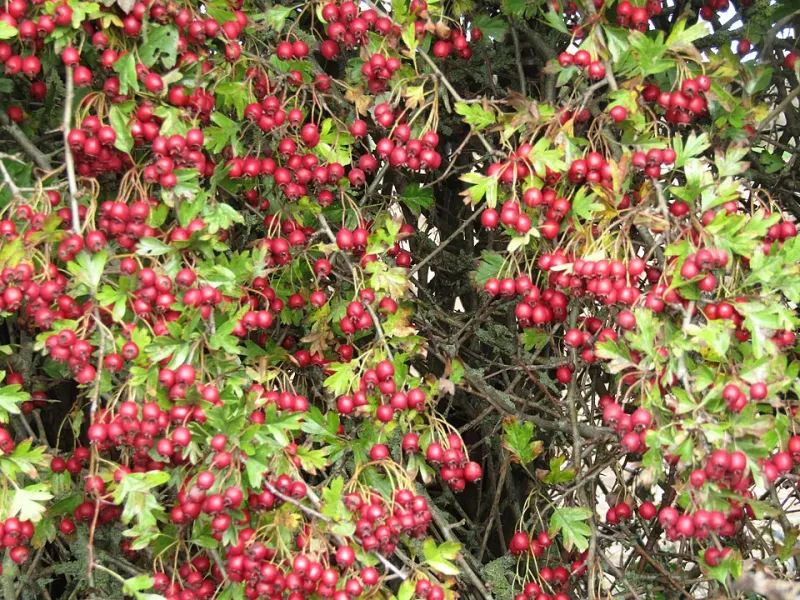
Photo: Kolforn (Kolforn) I'd appreciate if you could mail me ([email protected]) if you want to use this picture out of the Wikimedia project scope. This file is licensed under the Creative Commons Attribution-Share Alike 4.0 International license. Yo
A hedgerow in late autumn looks like a rummage sale: hips, haws, the last blackberries, and a lot of stems that could be anything. For keepers, the pull is understandable. Browse is one of the cheapest and most effective forms of enrichment going, and wild plants bring texture, scent and a bit of controlled unpredictability that no plastic feeder can match. But free is not the same as simple. Two things have to be right before a single leaf goes in the bucket: you must know what it is, and you must have the legal and ethical right to take it. Everything else — the calendar, the preparation, the portions — comes after.
Start with permission, not a plant book
In the UK, plants are not a free-for-all. The Wildlife and Countryside Act 1981 gives certain species protection from being picked, uprooted or sold, and Schedule 8 is the list worth knowing if you forage with any regularity. Sites of Special Scientific Interest carry their own consent rules. Then there is the simpler matter of whose land you are on: a hedgerow beside a public footpath is not automatically a pick-your-own aisle. Ask the landowner or managing body first, and get the answer in writing if you can.
There is a second legal layer that catches people out. Schedule 9 of the same Act lists invasive non-native plants, including Japanese knotweed, Himalayan balsam and giant hogweed. You are not doing anyone a favour by moving cuttings around, and giant hogweed sap is a genuine hazard in sunlight. Know what you are handling before you handle it.
The identification hurdle
Most forage mistakes are not made by careless people. They are made by confident ones. The carrot family is the classic trap: cow parsley, hogweed and hemlock share a family resemblance, and hemlock is seriously toxic. Foxglove leaves can be mistaken for comfrey at a glance. Woody nightshade and deadly nightshade turn up in hedges that look otherwise friendly. Yew is lethal, and it is planted in churchyards and gardens across the country.
So adopt a two-person rule. If two experienced people cannot agree on the identification, it goes back. Not into a 'maybe' pile, not into a sample bag — back. Photograph the plant in situ, note the habitat, and check against a reliable UK flora rather than a search engine image grid. If you are new to this, spend a season identifying without picking. That is not a wasted year; it is the year that makes the next ten safe.
What safe actually means for a primate
A plant that is fine for a goat is not automatically fine for a marmoset, and a leaf that suits a colobine is a very different proposition for a callitrichid. UK collections hold everything from tiny tamarins to large apes, and their digestive strategies are not interchangeable. Forage is supplementary. It should never quietly replace a balanced diet, and it should never be introduced as a bulk item on day one.
Practical rules that tend to hold up:
- Introduce one new plant at a time, in small amounts, over several days.
- Wash everything in cold water and remove thorns, tough stems and seeds where they are a choking or irritant risk.
- Be cautious with plants high in oxalates, tannins or sugar. Fruit is a treat, not a staple.
- Keep a simple log: plant, source, date, amount, which animals, and anything you noticed afterwards.
- Run any new forage idea past your nutritionist or vet, especially for animals with known health issues, pregnancies or medication.
January and February: the lean months
This is not the time to be creative. Evergreen shrubs are tempting in a bare January, but several of the most obvious ones — laurel, rhododendron, ivy berries, yew — are exactly what you should be leaving alone. Lean on bramble leaves where they are still green and accessible, on dried stores put by in autumn, and on windowsill herbs grown under cover. Use the quiet weeks to sort out permission for the year ahead and to check your identification skills against last season's photographs.
March: the first green
Nettles come through early, and once blanched they are a useful browse item in moderation. Chickweed and dandelion appear in gardens and allotments that have not been sprayed. Willow is shooting, though it contains salicylates and should not be offered in unlimited amounts. Everything at this point is small and tentative, and portions should match.
April: the leaf window
Hawthorn leaves are at their most palatable, lime leaves are unfurling, and hazel is in full leaf. Plantain is easy to identify and widely available. This is also the month when hedges fill with nesting birds, which the Wildlife and Countryside Act protects. Check before you cut or trim anything, and take from the outside of the hedge rather than wading in.
May: full canopy
By now the hedge is doing the work for you: hawthorn, lime, bramble and dog rose leaves are all on offer. Avoid hedges beside busy roads, anywhere with a spray notice, and footpath pinch points where dog waste is likely. Umbellifers in flower are a no unless you are genuinely confident, and even then, why risk it?
June and July: the long green
Bramble leaves are reliable and deeply useful. Garden raspberry and apple leaves are good if you know they are unsprayed. Mint and lemon balm from a pot are easy wins for scent enrichment. Wash everything, watch for aphids, and remember that a lot of foliage in a hot week can wilt quickly — offer it fresh rather than letting it stew in a bucket.
August and September: fruit and nuts
Blackberries, haws, hazel nuts and rose hips all arrive in a rush. This is the moment to be disciplined. Fruit is high in sugar and should be a small, occasional part of the picture. Rose hips need their seeds removing. Hazel nuts are rich and best limited. If you are freezing or drying for winter, label everything now, while you still remember which hedgerow it came from.
October: the harvest audit
Haws and hips hang on, and the last blackberries are best left for wildlife. This is the month for drying nettle and bramble in a warm, airy room, for freezing in portion bags, and for writing up what worked. It is also the month to notice how much you are taking. A hedge is a habitat, not a pantry, and leaving most of the fruit for birds and small mammals is part of doing this properly.
November: bare hedge, sharp leaves
Holly is spiny, and its berries are toxic. If you use holly at all, it is as a textured browse item for animals that can handle it, not as a berry snack. Bramble leaves persist, dried nettle is still useful, and willow remains available. Less is more in November. The hedge is winding down, and so should you.
December: close the loop
Read your log. Which plants did the animals actually use? Which were ignored? Which caused a loose stool or a scrap? Take those notes to your vet or nutritionist, and plan next year's planting. Bare-root hazel, willow and bramble can go in with permission over the winter, which is a far better long-term investment than any amount of roadside scrumping.
Plant the hedge you want
If your site has room, a small forage border — hazel, willow, bramble, mint — gives you a known, unsprayed, legally clean source of browse. It also gives the animals something to watch growing. That is enrichment twice over, and it keeps the wild hedge doing its own job.
The hedge is a season, not a shopping list. Read it slowly, take little, and write it down.